
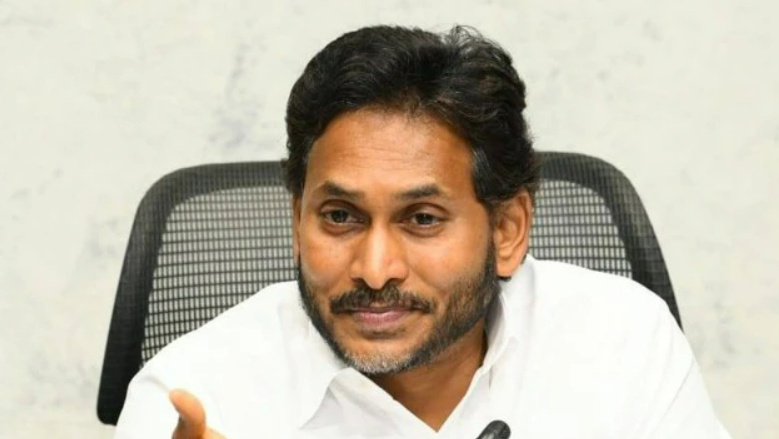
The battle for recognition as the Leader of Opposition (LoP) in the Andhra Pradesh Assembly has escalated into a legal dispute, with YSR Congress Party (YSRCP) chief Y.S. Jagan Mohan Reddy approaching the High Court after being denied the position by the Speaker. The development has set the stage for a high-stakes confrontation between the ruling Telugu Desam Party (TDP) and the YSRCP.
Background of the Dispute
After the recent Assembly elections, the YSRCP emerged as the second-largest party. However, the party failed to secure the minimum 10% of seats required under legislative norms for recognition as the opposition party. Citing this rule, the Speaker declined to accord Jagan the status of Leader of Opposition.
This decision was met with immediate protests from the YSRCP. Party leaders alleged that the ruling coalition was using procedural technicalities to suppress the opposition’s role in the Assembly.
Jagan’s Legal Challenge
Unwilling to accept the Speaker’s decision, Jagan Reddy has now sought judicial intervention. In his petition, he has argued that denying LoP status not only violates the democratic spirit of the legislature but also deprives citizens of a strong opposition voice.
Legal experts suggest that the case will hinge on whether the 10% rule is mandatory or flexible in cases where a single party, despite being under the threshold, is the largest opposition group.
Political Significance
The Leader of Opposition role is more than ceremonial. It provides statutory recognition, an official voice in debates, and involvement in decision-making bodies such as selection panels for constitutional posts. Without LoP status, the YSRCP risks being sidelined in matters of governance.
For Jagan, regaining relevance in the political narrative is critical after his electoral defeat. By taking the issue to court, he positions himself as a defender of democratic institutions and a victim of political vendetta.
Ruling Party’s Defense
The TDP and its allies insist that the Speaker’s decision is in line with legislative norms. They argue that the 10% benchmark is essential to maintain the dignity of the LoP position, preventing smaller groups from claiming disproportionate influence.
At the same time, TDP leaders have dismissed Jagan’s accusations of political bias, insisting that the matter is purely procedural.
Reactions Across the Political Spectrum
Several national parties are watching the case closely. Congress and regional opposition leaders have voiced concerns about shrinking space for opposition parties in legislative assemblies. For them, Jagan’s fight is emblematic of a broader trend of ruling parties asserting dominance at the cost of dissenting voices.
Public Debate
On the ground in Andhra Pradesh, the issue has sparked animated discussions. Supporters of Jagan see the denial of LoP status as unfair and anti-democratic, while others argue that the Speaker is simply following the rules.
Political analysts believe that the outcome of this dispute could influence voter sentiment, especially if Jagan successfully frames himself as a leader wronged by the system.
Possible Outcomes
The High Court’s ruling will have far-reaching consequences. If Jagan’s petition is upheld, it could alter the interpretation of legislative rules across India, strengthening the institutional role of opposition parties. If dismissed, it will limit his influence within the Assembly, forcing the YSRCP to recalibrate its political strategy.